Moved Design System to Community-powered, Reducing Inconsistencies by Driving 80% More Contributions.
Problem statement
Product teams were creating one-off solutions instead of going through the process to contribute or request additions to the existing Frontline Design System’s. This resulted in visual and functional inconsistencies for the users, accessibility blockers, duplicated efforts, and higher technical debt when global enhancements would not be applied.
High-Level Steps
As Manager of T-Mobile’s Frontline Design System (FUSE), I led a 12-person cross-functional team to reduce one-off solutions by increasing contributions and strengthening partnerships with product teams. I drove a shift to a community-driven model, resulting in higher satisfaction, increased contributions, and measurable growth in engagement. This positioned the design system as a living, evolving resource for the organization.
-
Understanding Barriers
Conducted multi-modal research with our consumers to understand any hurdles.
-
Rebuilding Awareness
After learning that few people knew how to contribute, we set out to empower everyone.
-
Reducing Friction
Streamlined intake workflows and improved transparency through new processes and tools.
-
Sustaining Engagement
Set up a recurring practice to keep the momentum going and the community strong.
Understanding Barriers
Before jumping to solutions, I focused on understanding why our consumers, a diverse group of over 100 iOS and web developers, designers, and PMs, were not coming to us. Hearing their pain points was essential. I tasked our researcher with launching a survey to establish a usability baseline across not only the libraries but also our communication, processes, and overall system experience. She then conducted one-on-one interviews to deepen our understanding.
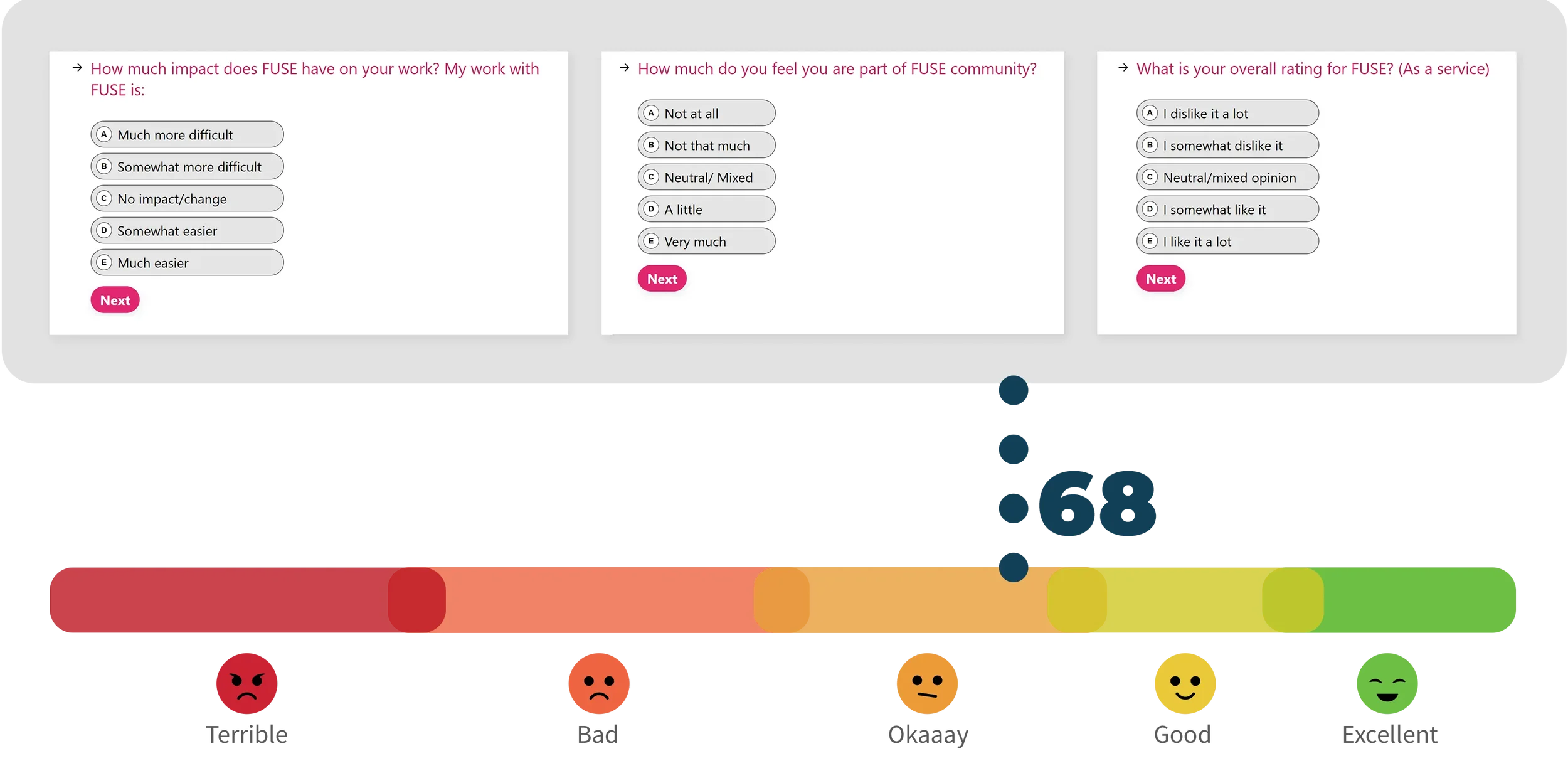
Designers
2 plus years loved the system
Less than 2 years struggled with submissions and felt disconnected
Developers
Submission process takes too long
No transparency into progress
It was clear that while there had been heavy investment in the initial launch, ongoing engagement and education had declined. Developers, in particular, felt our team was not communicating enough, which created frustration and the perception that the design system was blocking launches.
Rebuilding Awareness
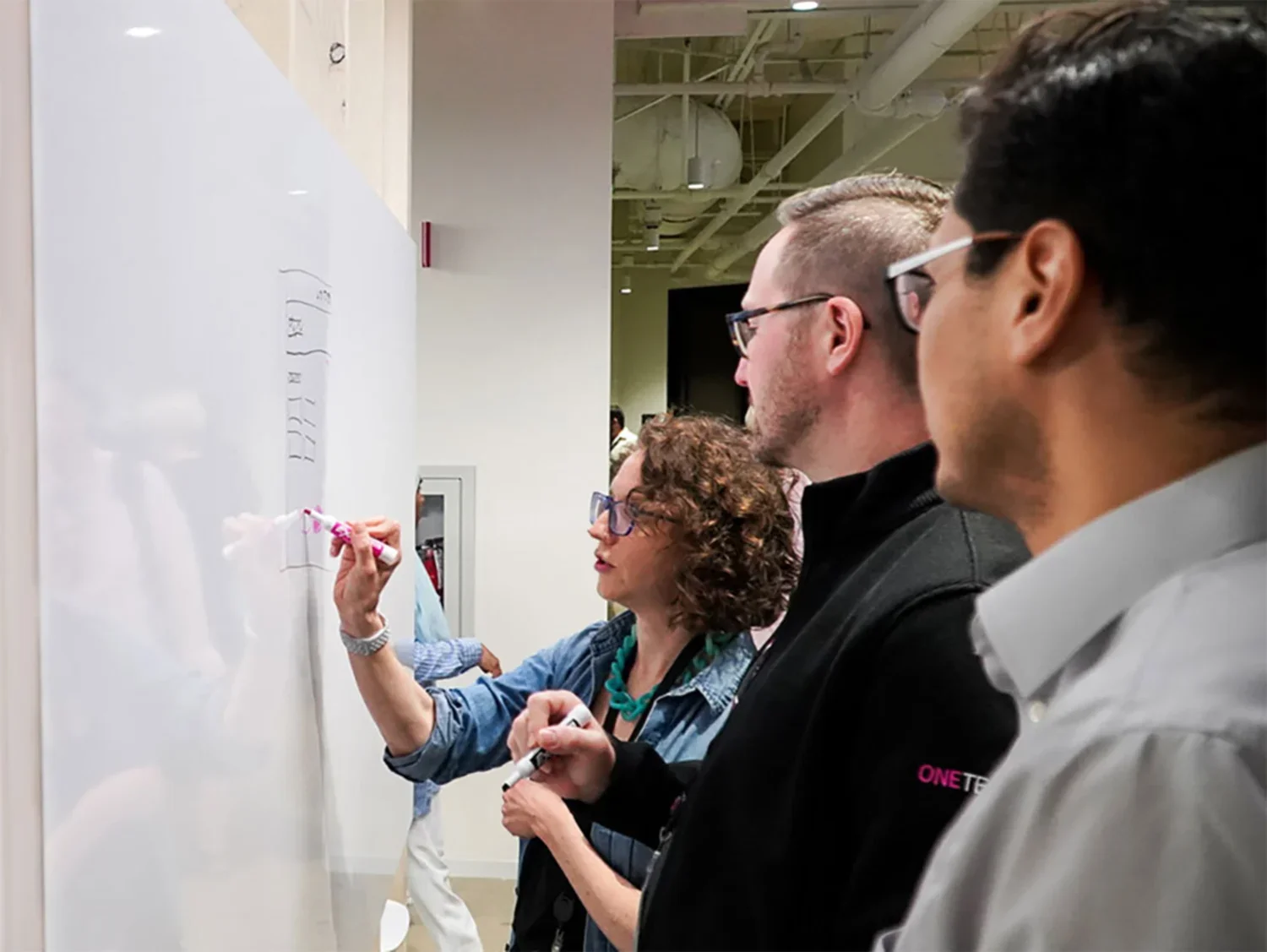
Armed with these insights, I facilitated working sessions to reimagine how the system could be more community-driven. From these sessions, I led the implementation of a multi-channel awareness plan.
Pinned short, clear Slack messages across developer, designer, and Product/PM communities, promoting intake with quick links to resources.
Had team leads join partner meetings to run short walkthroughs, which established endorsement from their managers and a space for questions.
Created a new-hire outreach program that welcomed designers with a personalized “Welcome to FUSE” email.
Improved the intake page by clarifying the governance process, set timeline expectations, and added video walkthroughs to support different learning styles.
Reducing Friction
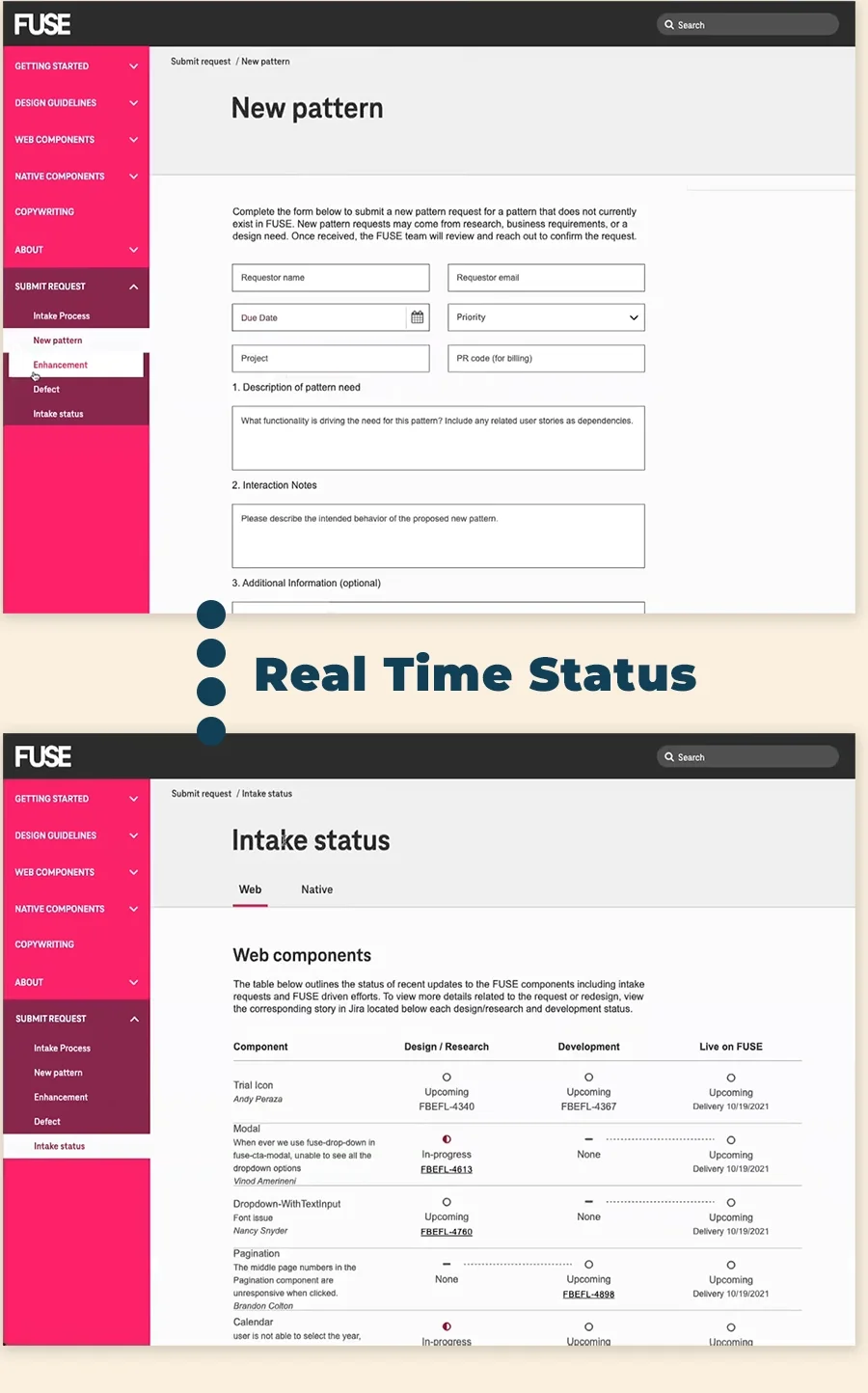
To address developer concerns, I focused the team on improving visibility while reducing time to market. After mapping the intake workflow step by step, I led the team in streamlining key stages, reducing turnaround time by two days and introducing automated communication channels that improved transparency.
Implemented a script that generated Jira stories after submission, eliminating manual PM work.
Set up automated Slack threads that connected requesters directly with the FUSE team.
Launched a Request Status page that updated with Jira changes so progress was easily visible.
As communication and efficiency improved, I directed the PMs to shift prioritization to a partner-needs model. We formalized blocking requests first, regardless of which team the issue originated with. This helped build trust and collaboration between the design system team and product developers.
Sustaining Engagement
To ensure ongoing connection, I established a recurring engagement framework that included quarterly teach-outs and usability surveys. We also looked for creative ways to foster participation, including a contributor recognition program, providing certificates and small rewards to partners who actively strengthened the system. These efforts reinforced the value of participation and kept the design system top of mind.
Outcomes
The results were clear and measurable:
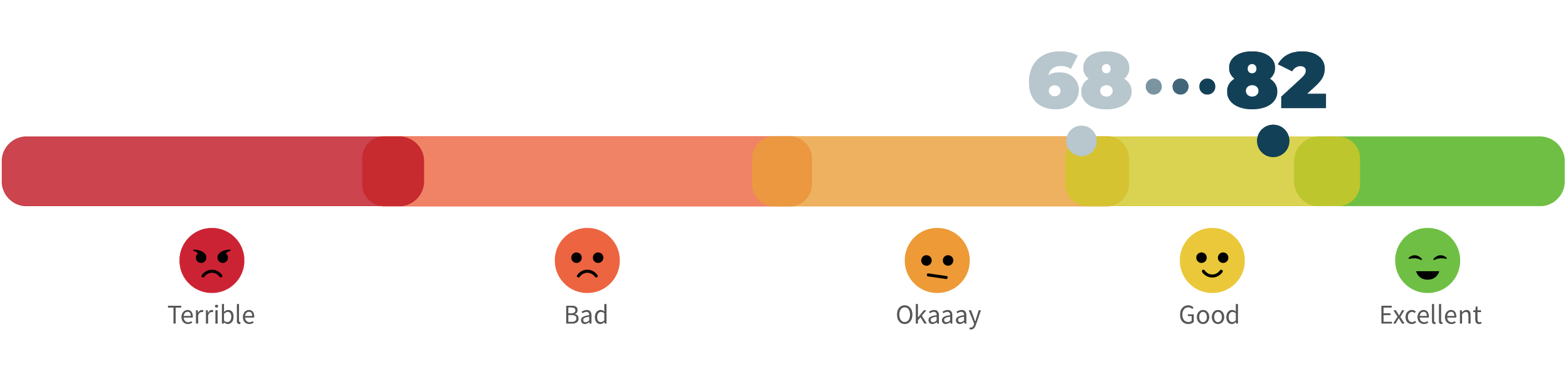
21% improvement in satisfaction scores.
80% increase in intake submissions.
15% rise in site visits.
Positive feedback from product developers on responsiveness and collaboration.|
Reflection
Learning why the intake process wasn’t being utilized was a hard pill to swallow, but it gave the clarity to address issues and reinforced that relationships require intentional, ongoing care. Perception shifted slowly as partners consistently experienced the value of working with us. Maintaining trust from the start is far more time-efficient.
That insight reshaped how we work. I recognized that keeping the design system connected to its consumers is as critical as building components, so I asked the PMs to add a Community Engagement track to our roadmap, giving it equal weight with design and development.
Most importantly, we saw fewer components built outside our libraries, leading to more consistent user experiences, improved accessibility, and easier global updates.
“Enabling others to see the value of the design system and to use it did not come naturally for some, but Monica’s collaborative approach and effective communications helped to break down silos and supported adoption.”
— Diannie Ran, Design Operations Leader